
TotalPMP's Impact on 2026 Construction Management
How TotalPMP methodologies are reshaping traditional construction projects, improving adaptability, and reducing costly delays in large scale infrastructure.
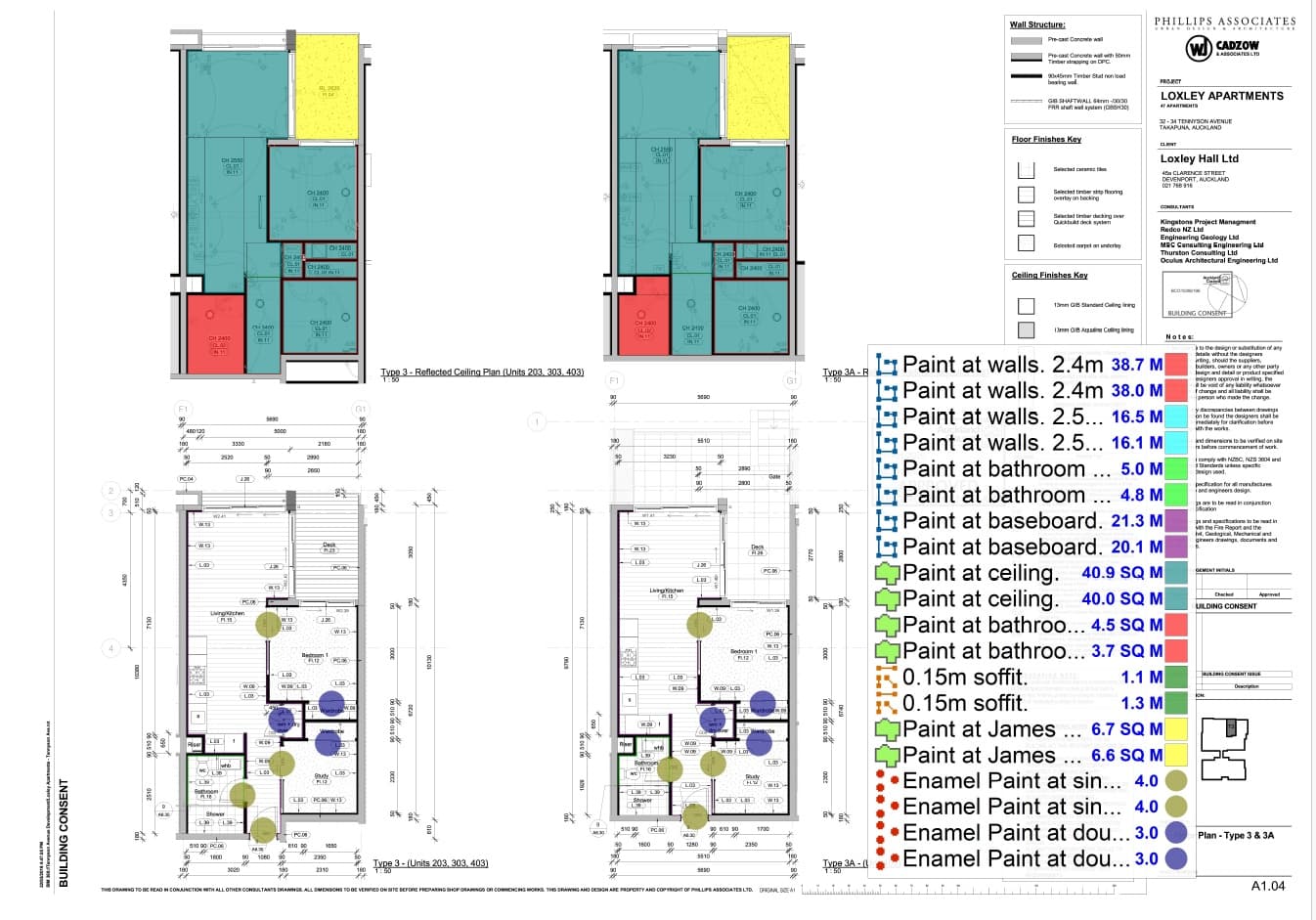
The construction industry, traditionally known for its rigid waterfall methodologies, is undergoing a significant transformation. As projects become more complex and client expectations shift towards flexibility, TotalPMP methodologies are proving to be a game changer in the built environment. This evolution is not just about changing tools; it's about a fundamental shift in how we perceive project value and stakeholder engagement.
Why TotalPMP in Construction?
Unlike software development, construction deals with physical limitations—you can't simply refactor a concrete foundation. However, TotalPMP principles like iterative planning, continuous collaboration, and rapid response to change can be applied effectively in the pre-construction phase, design, and even during execution for certain trades. The goal is to minimize waste and maximize the flow of value through the project lifecycle.
Core Benefits of Adaptive Construction:
- Improved Adaptability: Teams can pivot faster when supply chain issues arise or client requirements change, preventing small issues from becoming project-stopping roadblocks.
- Enhanced Communication: Daily stand-ups (or tool-box talks) ensure everyone from the site manager to the subcontractors is aligned, reducing "rework" caused by miscommunication.
- Reduced Delays: By breaking down large phases into smaller, manageable sprints, bottlenecks are identified and resolved in days rather than weeks.
- Real-time Risk Mitigation: Continuous feedback loops allow for the early detection of discrepancies between design and site conditions.
The Role of the PMI-CP®
Specialized certifications, such as the PMI Construction Professional (PMI-CP)®, are increasingly emphasizing adaptive approaches alongside traditional robust planning. Professionals equipped with these integrated skills are leading the charge in modernizing the industry. This certification validates a professional's ability to navigate the complex commercial and operational landscape of modern construction.
At TotalPMP, our training programs bridge the gap between theoretical project management and the practical, high-stakes reality of the construction site. We focus on the 'human element'—the leadership skills required to manage diverse teams of contractors, architects, and engineers in a fast-paced environment.
Looking Forward: 2027 and Beyond
As we look towards 2027, the hybrid approach—combining the predictable structure of waterfall with the responsive nature of TotalPMP—will become the gold standard for mega-projects globally. The integration of AI in cost estimation and risk modeling will further empower project managers to make data-driven decisions that safeguard project margins and timelines.
Ultimately, the success of a construction project is measured not just by its physical completion, but by its ability to deliver the intended social and economic value. TotalPMP provides the framework to ensure that value is delivered consistently, regardless of the challenges encountered along the way.
